Spanning approximately 1,442 square kilometers, Kidepo Valley National Park is the third-largest national park and one of the best safari destinations in Uganda, standing at an elevation of 900 to 2,750 meters above sea level. The national park boasts unsurpassed scenery not seen in any other park in the East African region, providing outstanding, sweeping savannahs and extensive, rolling, rugged mountain landscapes that make the park an ideal haven for diverse flora species. It consists of a shallow valley system with dry mountain terrain, bordered to the southwest by the Narus Valley, the northwest by the Napore Range, the north by Mount Lotuke in South Sudan, and the south by the Morungole Range.
This remote destination is found in north-eastern Uganda, bordering South Sudan and Kenya. It is characterized by diverse ecosystems, including dense miombo-like woodland, semi-desert scrub, riparian woodland (such as Kigelia and Borassus woodlands), open thorn scrub, long- and short-grass open-tree savannah, granite outcrops, and montane forest.
These habitats offer shelter to more than 480 species of birds, including: 21 Afrotropical highland species (especially within Lomej, Morungole, Lonyili, and Zulia, due to their mosaic forest, thicket, and savannah), 32 Somali-Masai biome species, 4 Guinea-Congo forest biome species, 16 Sudan and Guinea savannah species.
Just as Kidepo Valley National Park is home to numerous wildlife species, including cheetahs that are not found elsewhere in Uganda, it is also a haven for several unique bird species that cannot be seen in other national parks in the country. These include the Ostrich, Karamoja Apalis, and Black-breasted Barbet. Interestingly, Kidepo Valley National Park ranks second only to Bwindi Impenetrable National Park in terms of the diversity of rare and highly sought-after bird species.
Birding in Uganda
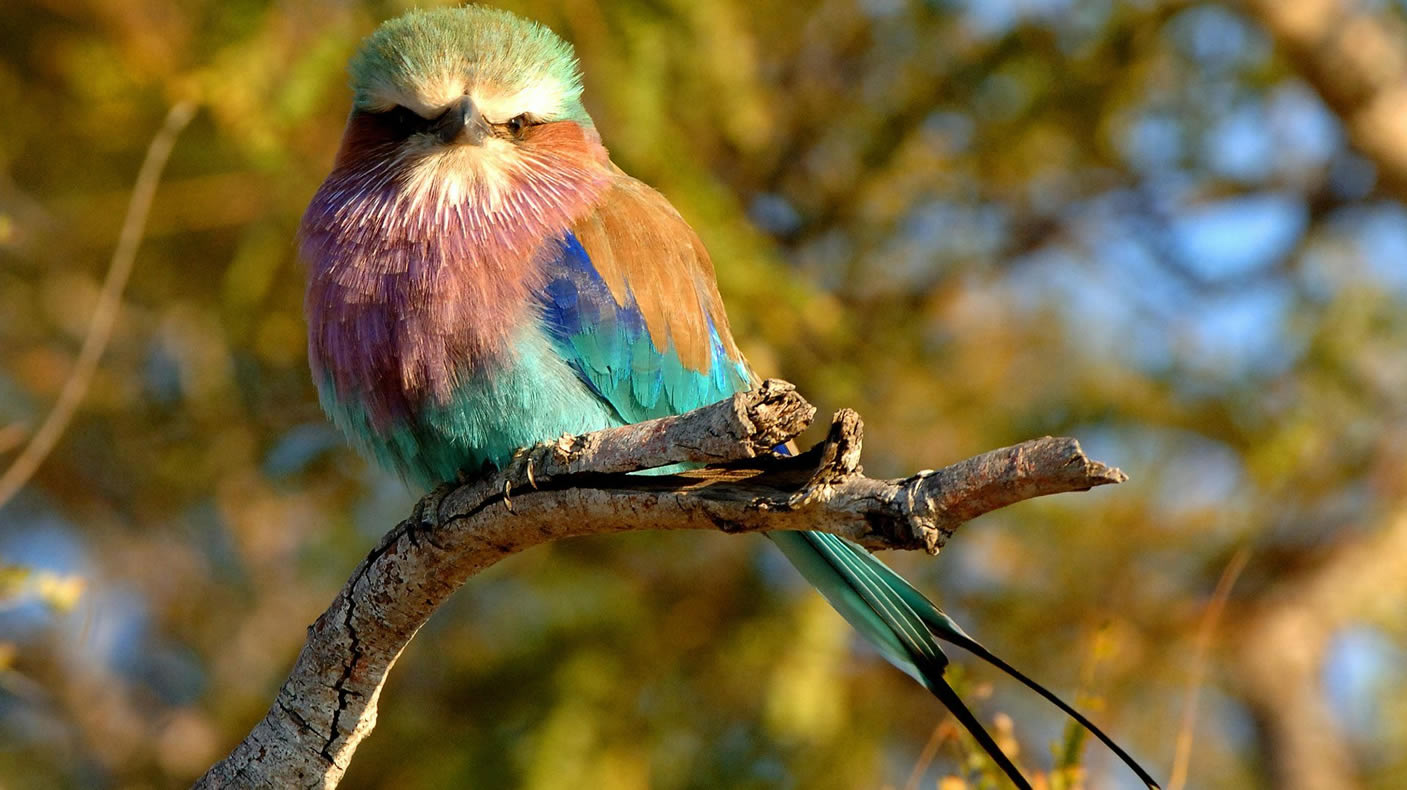
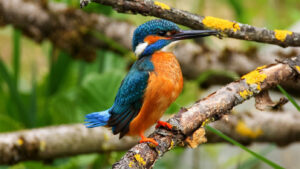
Besides the mentioned, other species of birds that can be sighted within Kidepo Valley National Park include Violet-tipped Courser, Jackson’s Hornbills, Mouse-colored Penduline Tit, Black-winged Pranticole, Brown-rumped Bunting, purple heron, Black-faded Waxbills, Singing Bush lark, Ethiopian Swallow, Abyssinian roller, Emin’s Shrike, Fox’s Cisticola, African Grey Flycatcher, Straw-tailed Whydahs, Abyssinian ground hornbill, Black-rumped Waxbill, Golden Pipit, Red billed Oxpecker, African-pied Hornbills, Fox’s Weaver, Lesser Kestrel, White-billed Buffalo Weavers, Yellow-billed Shrike, White-bellied Go-Away bird, Rufous and Chestnut Sparrow, Yellow and red spotted Barbet, Jackson’s Hornbills, Grey-capped Social Weavers, Brown-backed Woodpecker, Ring-necked Spurfowl, Black-breasted Barbets, Steel-blue Whydahs, Eastern Yellow Hornbills, White-crested Turaco, Black-headed Plover, Rufous Chatterer, Yellow-spotted Petronia, Standard-winged Nightjars, Bruce’s Green Pigeon, Little Green Bee-eater, White-headed Buffalo Weavers, Speckle-fronted Weavers, Red-fronted Barbets, Red-winged Lark, Taita Fiscal, Chestnut- crowned Sparrow Weavers, Abyssinian Scimitar bill, Clapperton’s francolin, Pallid Harrier, Dusky-turtle Dove and the Hartlaub’s Turaco among others.
There are several birding hotspots in Kidepo Valley National Park, including the Park Headquarters and Apoka Rest Camp, which overlooks the southern Narus Valley. Some of the notable bird species found in this area include the Silverbird, Little Weaver, Scarlet-chested Sunbird, Vinaceous Dove, Yellow-billed Shrike, Hoopoe, Superb Starling, White-faced Scops Owl, Rüppell’s Starling, Nubian Woodpecker, Red-cheeked Cordon-bleu, and Mosque Swallow, among many others.
There is also a small permanent waterhole near the safari camp that attracts several seed-eating birds, such as the Yellow-rumped Seedeater. Other species commonly seen around the waterhole include the Broad-tailed Warbler, Yellow-billed Shrike, Clapperton’s Francolin, Crimson-rumped Waxbill, Black Coucal, African Moustached Warbler, and Marsh Tchagra. Interestingly, the area is also frequented by wildlife such as buffaloes, lions, and elephants, making it an excellent location for both birdwatching and game viewing.
Best Time to Visit Kidepo Valley National Park
Bird watching in Kidepo Valley National Park is a rewarding year-round activity. However, the absolute best time to visit is between March and May. During these months, birders can spot rare local specials alongside a vast array of migratory species passing through the park.
Beyond its rich avian life, Kidepo offers an amazing wildlife viewings experience. Visitors can encounter rare predators and unique mammals rarely seen elsewhere in Uganda, including cheetahs, striped hyenas, bat-eared foxes, caracals, and Bohor reedbucks. The park’s vast landscapes are also home to thousands of zebras and majestic ostriches, making it an extraordinary safari destination.